
Improve design efficiency through small size, flexibility and performance
A major trend is that systems are getting smaller. Our Schottky diodes and rectifiers support this trend while providing the reliable, efficient and safe operation you need. Whether you require low capacitance (< 1 pF) or forward current below or above 1 A, you will find the Schottky diode or rectifier you need in our extensive product portfolio, including standard SMD, Leadless DFN and clamp-on CFP packages.
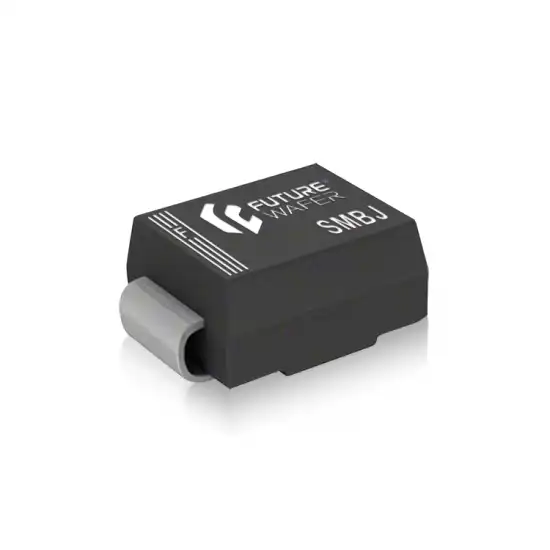
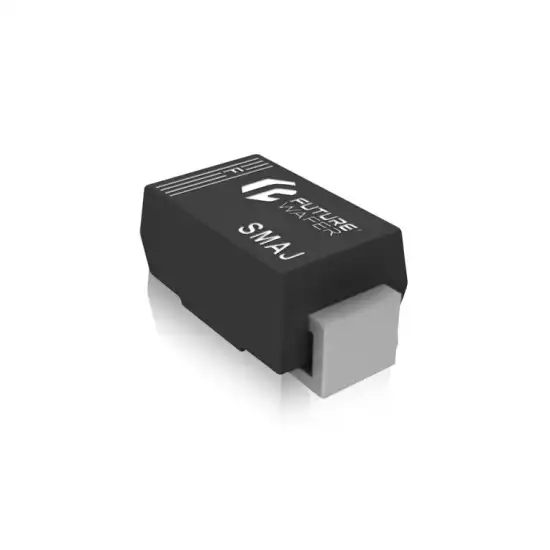
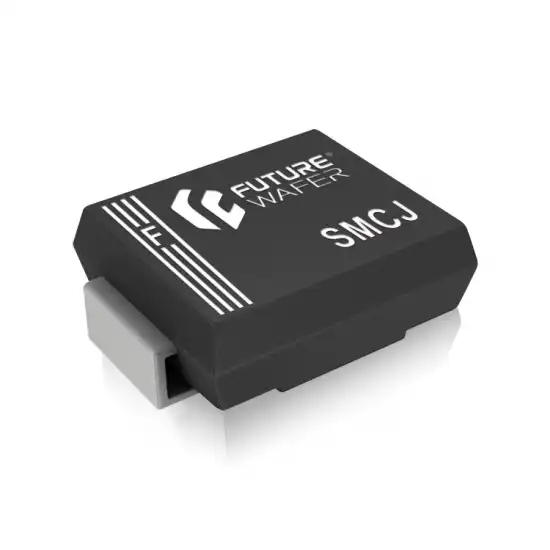
Standard Schottky
Schottky diode, named after German physicist Walter Schottky, is a semiconductor component that uses the Schottky barrier formed between metal and semiconductor to achieve a rectifying effect. The main characteristics of this type of diode are its low conduction voltage and high switching speed, making it play an important role in modern electronic devices.
Compared with traditional PN junction diodes, Schottky diodes produce a lower voltage drop when current flows, generally only 0.15 to 0.45 volts, while PN junction diodes are about 0.7 to 1.7 volts. This characteristic allows Schottky diodes to improve system efficiency, especially in applications that require fast switching, such as switching power supplies and high-frequency signal processing.
However, Schottky diodes also have their limitations. For example, their reverse bias voltage is usually low and their reverse leakage current is large, which may lead to thermal runaway in high-temperature environments. Therefore, these factors need to be taken into consideration during design to ensure component reliability and longevity.
With the advancement of technology, the performance of Schottky diodes is also constantly improving. For example, silicon carbide Schottky diode is a new type of Schottky diode, which has lower reverse leakage current and higher reverse withstand voltage, but the conduction voltage is also relatively high. This diode can improve the efficiency of the power adapter while reducing electromagnetic interference, allowing the EMI filter to be reduced in size.
The research and application of Schottky diodes is an active branch in the field of semiconductor technology, and their development is of great significance in promoting the performance improvement and energy efficiency optimization of electronic products. With the development of future science and technology, Schottky diodes will undoubtedly continue to play its unique role in electronic engineering.
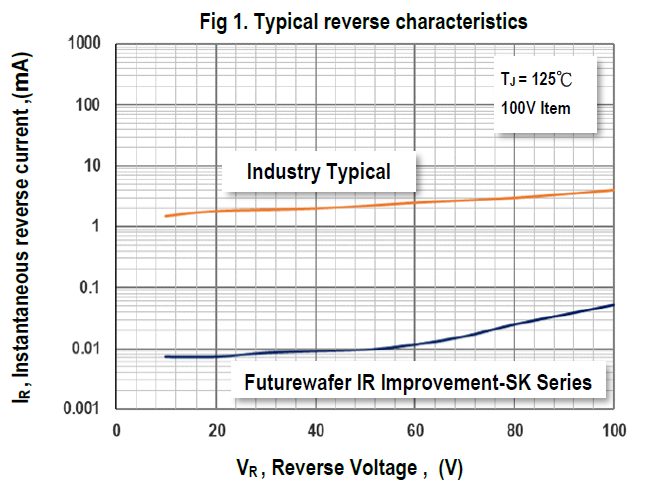
Typical leakage current for various standard Schottky diodes. Comparisons can be made between 100 volt devices. The results show that the high-temperature leakage current of the SK series is less than 0.05mA, while the high-temperature leakage current of the traditional standard Schottky is about 5mA.
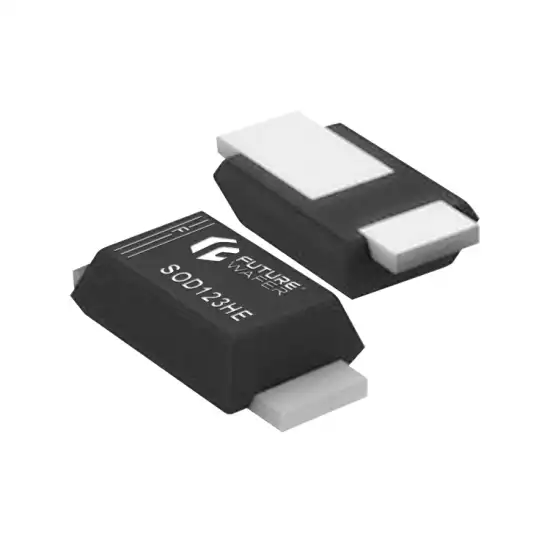
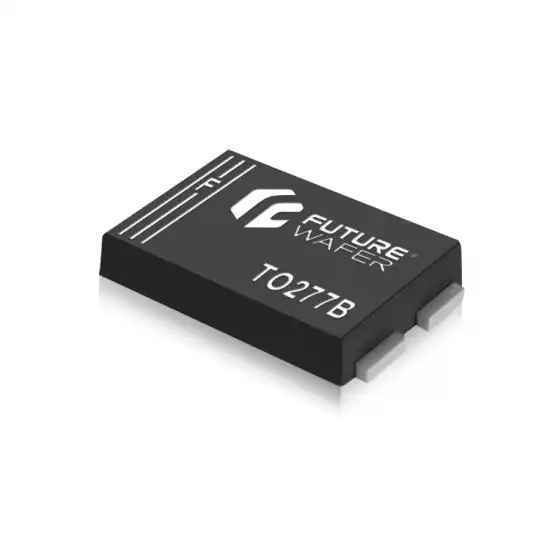
High efficiency Schottky
In the design of modern electronic equipment, high-efficiency Schottky diodes are indispensable components. These diodes play a key role in improving overall device efficiency due to their low power consumption and high performance. Rohm Semiconductor Group’s RSX series and RBLQ series are such products. They improve the balance between low forward voltage (V_F) and low reverse current (I_R), providing the market with high-efficiency solutions.
These high-efficiency Schottky diodes maintain stability during high-temperature operation while also delivering outstanding performance in low power consumption. This makes them widely used in markets that pursue high efficiency, low losses and high reliability. For example, these diodes play important roles in automotive electronics, industrial control equipment, and consumer electronics.
ROHM’s RBR series further expands this product line, providing low-loss and more efficient small package products, allowing the use of smaller packages with the same performance, which is a big advantage for space-constrained applications . The miniaturization of these products not only helps save space, but also reduces losses and provides higher efficiency.
In addition, SiC Schottky diodes are also an area worthy of attention. SiC material diodes have smaller size, lower power consumption and higher efficiency than traditional Si diodes. These characteristics make SiC Schottky diodes perform well in PFC circuits that switch power supplies at high speeds, and are regarded as the next generation of low-loss components.
With the advancement of technology and market demand, high-efficiency Schottky diodes will continue to play an important role in the development of electronic equipment. From automobiles to consumer electronics, from industrial control to energy management, innovative applications of these diodes will drive the entire industry forward. As requirements for efficiency and reliability continue to increase, we can expect more breakthroughs from these diodes.
High temperature and low leakage super Shi Lei Schottky
In the design of modern electronic equipment, super Schottky diodes play an indispensable role. These diodes are known for their high temperature performance, low leakage current, and low forward voltage drop, making them ideal for many high-efficiency applications. From switch-mode power supplies to solar panel bypass diodes, SuperSleek Schottky diodes are used in a wide range of applications, and technological advancements are driving the development of industrial and commercial applications.
A special feature of Super Schottky diodes is their ability to operate in high-temperature environments, which is critical for devices that need to operate under extreme conditions. In addition, the low leakage current characteristics of these diodes help reduce energy consumption, further improving overall system energy efficiency. These properties make SuperSleek Schottky diodes a worthy candidate for the design requirements of the Energy Star specification.
SuperSleek Schottky diodes also show their versatility when it comes to packaging technology. From small packages to packages capable of handling high currents, manufacturers offer a variety of options to suit different design needs. For example, the series of Super Schottky diodes offered by Qianmao Co., Ltd. is an example of the versatility of these diodes.
In addition, Littelfuse’s DST series Schottky barrier rectifiers are also another highlight in the market. These rectifiers have fast switching speeds and high junction temperature capabilities, making them suitable for high-frequency applications such as switch-mode power supplies, and DC applications such as solar panel bypass diodes.
With the continuous advancement of technology, the performance of super Schottky diodes is also constantly improving, bringing more possibilities to the design and application of electronic devices. Whether in automotive applications or in renewable energy, these diodes are key components that drive innovation and efficiency. As requirements for energy efficiency and performance continue to increase, Super Schottky diodes will undoubtedly continue to play an important role in the electronics industry.
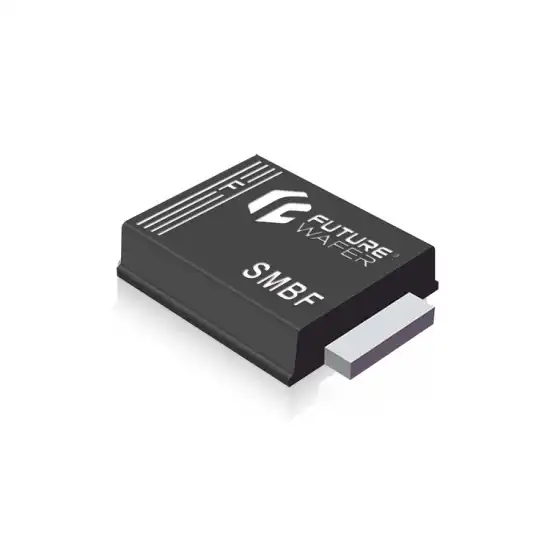
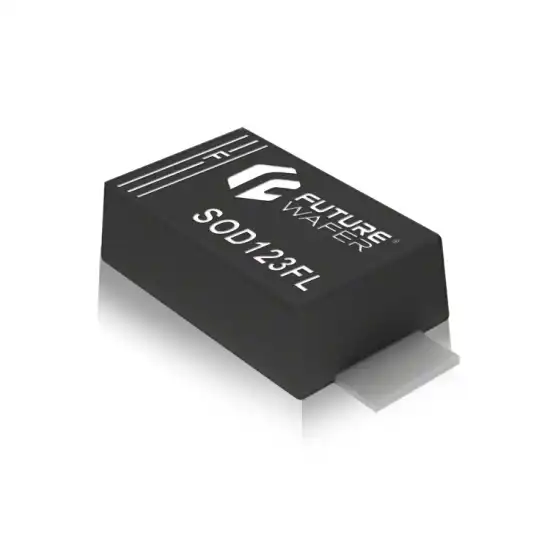
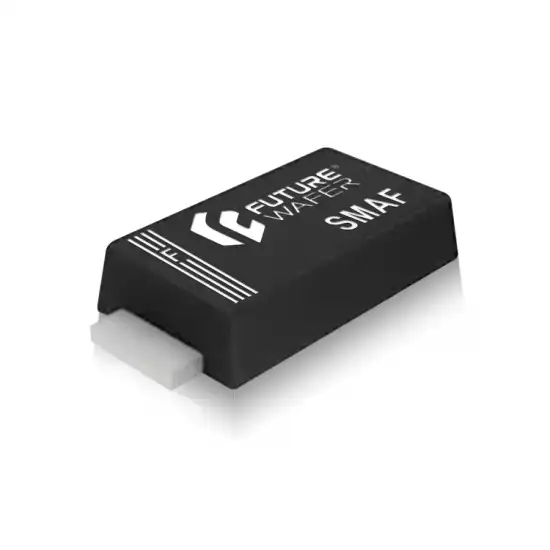
Trench low VF metal oxygen semi-potential Lei Schottky
In the semiconductor field, Schottky diodes are a key component widely used in various electronic devices, from power conversion to signal rectification. In recent years, low VF (forward voltage) trench Schottky diodes have attracted great attention from the industry due to their high efficiency and energy-saving characteristics. These diodes improve overall device performance and reliability by reducing power consumption and heat generation.
The design of the low VF trench Schottky diode uses advanced semiconductor technology to significantly reduce power consumption during rectification while suppressing heat generation. This feature makes them ideal for secondary side rectification, freewheeling diodes and reverse polarity protection applications in AC-DC and DC-DC converters.
These diodes not only have the advantages of low on-voltage and low reverse leakage current, but can also be integrated with trench gate MOSFETs and used as built-in reverse diodes to further enhance the system. improve operational efficiency and reduce costs. In addition, the new technology and unique trench MOS structure makes the VF value and IR value of these diodes lower than the traditional planar structure, while improving the TRR due to structural deterioration in the general trench MOS structure, reaching the same level as the planar structure. Traditional products are of comparable quality.
With the advancement of technology, low VF trench Schottky diodes have promising application prospects in the field of power electronics. Not only can they improve energy efficiency, they can also reduce electromagnetic interference in high-frequency applications, providing more possibilities for future innovative designs. As the demand for energy-saving and high-performance electronic devices continues to grow, such diodes will undoubtedly play an increasingly important role in the market.
Extremely low pressure, Lei Schottky
Schottky diodes, known for their low conduction voltage and high-speed switching capabilities, are one of the indispensable components in modern electronic design. Such diodes utilize the Schottky barrier created by the metal-semiconductor junction to achieve the rectification function, and they provide more efficient performance compared to traditional PN junction diodes.
The core advantage of Schottky diodes is their low conduction voltage drop, typically only 0.15 to 0.45 volts, which makes them very popular in power management applications as they can significantly improve system efficiency. In addition, these diodes switch very quickly due to their extremely short reverse recovery time, which makes them suitable for high-frequency applications such as RF detectors and mixers.
However, Schottky diodes also have their limitations. Their reverse bias voltage is usually low and reverse leakage current is large, which may lead to thermal runaway problems under high temperature conditions. To overcome these challenges, silicon carbide Schottky diodes were developed, which offer higher reverse withstand voltage and lower leakage current while maintaining the high-efficiency switching characteristics of Schottky diodes.
When selecting a Schottky diode, designers must consider the specific needs of their application, including operating frequency, voltage level, and thermal management. As technology advances, the performance of Schottky diodes continues to improve, making them more widely used in fields such as power conversion, automotive electronics, and high-speed communications.
These properties and applications of Schottky diodes demonstrate how semiconductor technology continues to evolve to meet the growing demands for efficiency and speed in modern electronic devices. As new materials and manufacturing technologies develop, we can expect Schottky diodes to continue to play a key role in electronic design.
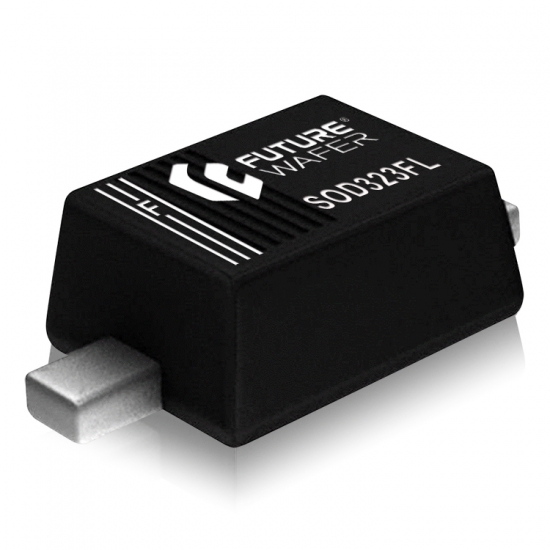
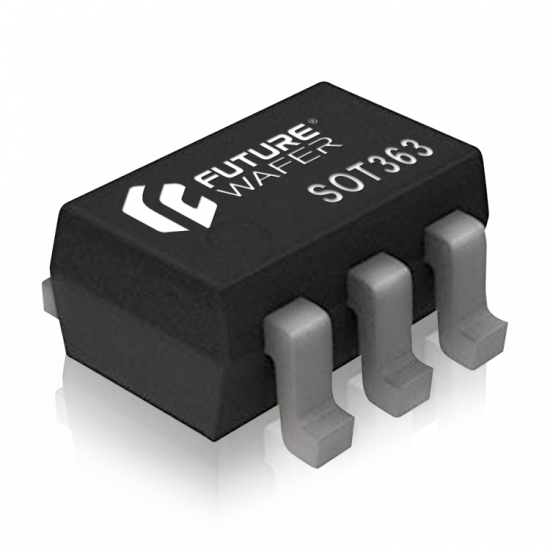
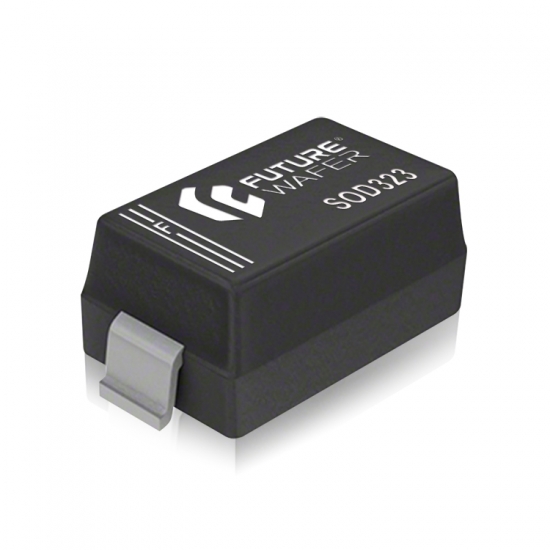
Small signal schottky
Small-Signal Schottky Diodes: High-Performance Miniature Components In modern electronic design, small-signal Schottky diodes play an indispensable role. These miniature components provide high-performance rectification solutions for various circuits with their low on-voltage and high-speed switching capabilities. Small-signal Schottky diodes are commonly used for control signals or rectification, especially in applications requiring fast switching and low power consumption. The characteristic of Schottky diodes is that their conduction voltage is very low. Generally, diodes will produce a voltage drop of about 0.7-1.7 volts when current flows, while the voltage drop of Schottky diodes is only 0.15-0.45 volt. This means that under the same conditions, Schottky diodes can provide higher system efficiency. Another significant advantage of Schottky diodes is that they have no reverse recovery time. This allows them to switch with virtually no delay, reducing electromagnetic interference (EMI) and improving overall performance. These characteristics make Schottky diodes ideal for high-frequency applications such as switching power supplies, RF detectors, and mixers. However, Schottky diodes also have their limitations. Their reverse bias voltage is low and reverse leakage current is large, which may lead to thermal runaway problems under high temperature conditions. Therefore, in practical applications, engineers must carefully consider these factors to ensure reliability and safety. Despite this, Schottky diode technology continues to advance. For example, silicon carbide Schottky diodes provide higher reverse withstand voltage and lower reverse leakage current while maintaining the high-speed switching capabilities of Schottky diodes. These advancements provide electronics designers with more options to meet growing performance demands. In summary, small-signal Schottky diodes are a shining star in the world of electronic components, and their high efficiency and versatility allow them to play a key role in many advanced electronic systems. As technology advances, we can expect these powerful little components to continue to drive innovation and growth in the electronics industry.
Wide band gap gallium nitride Schottky
Gallium nitride (GaN) is a semiconductor material with wide energy gap characteristics. This material is increasingly used in high-power and high-frequency electronic devices due to its excellent physical properties. The energy gap of gallium nitride is about 3.4 electron volts (eV), which makes it stable in high temperature and high voltage environments, and has high electron mobility and good thermal conductivity. Schottky Diode is a metal-semiconductor contact diode known for its fast switching speed and low forward voltage drop. When such diodes use gallium nitride as the semiconductor material, it is possible to create Schottky diodes that can withstand high voltage and high-frequency operation, which is very important for modern power electronics and communication systems. The research, development and application of gallium nitride Schottky diodes are of great significance in promoting the development of electronic equipment towards higher performance and smaller size. For example, in 5G communication technology and fast chargers for electric vehicles, the application of these diodes can improve energy conversion efficiency, reduce energy loss, and reduce the size of the device. In addition, gallium nitride Schottky diodes are also expected to play a role in fields such as solar power generation and space exploration. As technology advances, gallium nitride Schottky diodes will continue to play a key role in the electronics and optoelectronics fields, promoting the development of future innovative technologies. With more research and development, we can expect the revolutionary changes brought about by this material to further expand into various high-end applications, thus shaping our future.
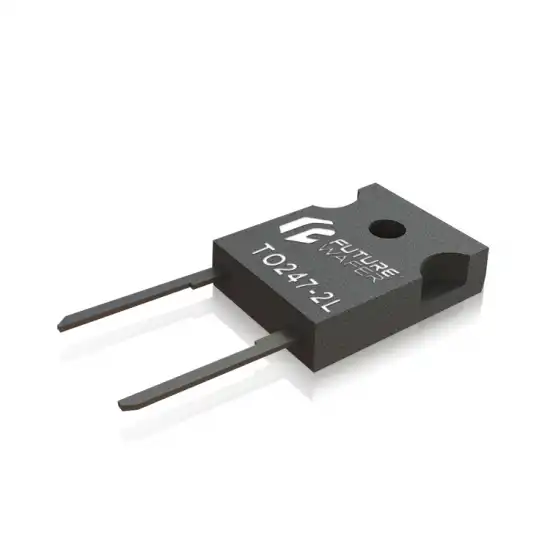
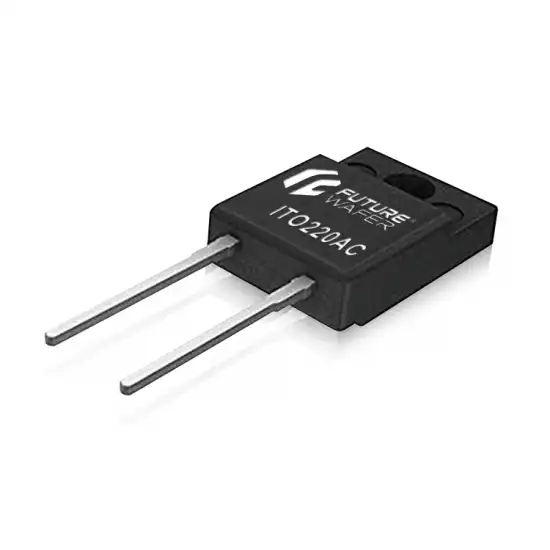
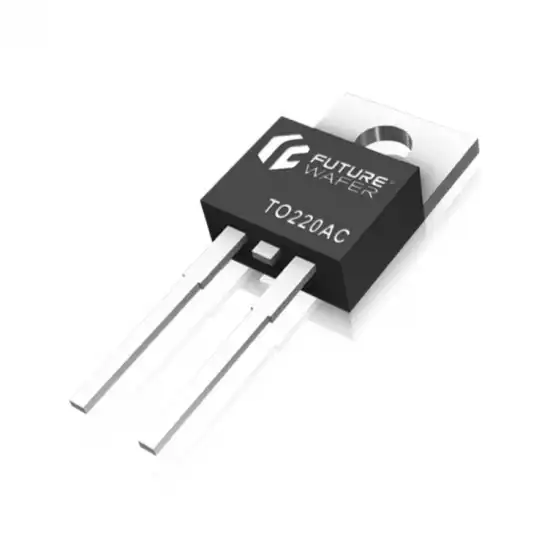
Wide energy gap silicon carbide Schottky
Wide bandgap silicon carbide Schottky diodes: the new star of future electronic components When we talk about future electronic components, wide-bandgap silicon carbide Schottky diodes are definitely a shining star. This kind of semiconductor component is attracting enthusiastic attention from the global science and technology community because of its excellent performance and broad application prospects. So, what exactly is a wide-gap silicon carbide Schottky diode? Let’s find out. The wide bandgap silicon carbide Schottky diode is a semiconductor component made of silicon carbide (SiC) material. Silicon carbide is a wide-gap semiconductor material with an energy gap that is approximately three times wider than silicon, which allows it to operate at higher temperatures while having high withstand voltage and low on-resistance. These properties make silicon carbide Schottky diodes show great potential in high temperature, high power and high frequency applications. The advantage of silicon carbide Schottky diodes is not only reflected in its excellent physical properties, but also in its huge contribution to the future power electronic component market. With the rapid development of new energy vehicles, renewable energy power generation and high-efficiency power conversion systems, the demand for high-performance semiconductor components is increasing. Silicon carbide Schottky diodes are becoming an ideal choice in these fields due to their high performance and reliability. In addition, silicon carbide Schottky diodes also have important environmental significance. They can improve energy conversion efficiency, reduce energy consumption and greenhouse gas emissions, thereby supporting the global green energy transition. This not only helps protect the environment, but also conforms to the current global trend of energy conservation and emission reduction. In summary, wide-gap silicon carbide Schottky diodes are quickly becoming a shining star in the field of electronic components. Its emergence not only represents a major advancement in semiconductor technology, but also brings more possibilities to our future. With the continuous advancement of technology, we have reason to believe that wide bandgap silicon carbide Schottky diodes will play a more important role in the near future. Let’s wait and see how it will change our world.
Electromotive force buffer Schottky
In the world of electronic components, Schottky barriers play an indispensable role. This special metal-semiconductor interface, with its unique rectifying properties, is at the heart of many high-performance electronic designs. The Schottky barrier is attractive mainly because it has a relatively thin depletion layer width at the metal end, which allows it to have a low junction voltage and fast switching speed. Schottky diodes, as an application of Schottky barriers, are widely used in various circuits due to their low conduction voltage drop and high-speed switching capabilities. The voltage drop of these diodes when current flows is only 0.15 to 0.45 volts, which is much lower than the 0.7 to 1.7 volts of ordinary diodes. This means that under the same conditions, Schottky diodes can provide higher system efficiency. Another advantage of the Schottky barrier is its extremely short reverse recovery time, which makes Schottky diodes excellent in applications that require fast switching, such as switching power supplies and radio frequency detectors. This fast switching feature also allows the circuit to operate at higher frequencies, thereby using smaller inductors and capacitors, further improving the efficiency of the power supply. However, the Schottky barrier is not perfect. It has a lower reverse bias voltage and higher reverse leakage current, which may be a limitation in some high-voltage applications. Nonetheless, with the advancement of technology, modern Schottky diodes have been able to withstand higher reverse bias voltages, up to 200V, which has brought new possibilities to their application range. The discovery and application of the Schottky barrier is an important milestone in the field of electronic engineering. It not only demonstrates the mysteries of physics, but also provides a powerful impetus for the development of modern electronic devices. With the continuous advancement of science and technology, we expect that the Schottky barrier can exert greater potential in the future and contribute more to the scientific and technological progress of mankind.
Agent brand: